It’s one of the most common surprises in backyard chicken keeping: you order a batch of straight-run chicks, or buy “sexed” pullets, and a few months later, one of your sweet birds starts attempting a cracked, early-morning crow.
Whether you’ve hit a strict local municipal ban on roosters, your flock’s rooster-to-hen ratio is dangerously out of balance, or flock drama is causing stress in the run, having extra roosters is a challenge almost every chicken keeper faces eventually.
Here is a practical, step-by-step guide on how to handle extra roosters responsibly, legally, and humanely.
Check Your Options Before You Act
Before deciding on a path forward, take a quick inventory of your local situation:
- Local Ordinances & HOA Rules: Many suburban towns allow hens but explicitly ban crowing roosters due to noise complaints. Check your city codes to know your legal boundaries.
- Flock Ratio Dynamics: As a general rule of thumb, you need 1 rooster for every 8 to 10 hens. If you have too many cockerels for your number of hens, the males will over-mate the hens, causing feather loss, stress, and aggressive fighting among the flock.
Option 1: Rehome or Rehome Networks
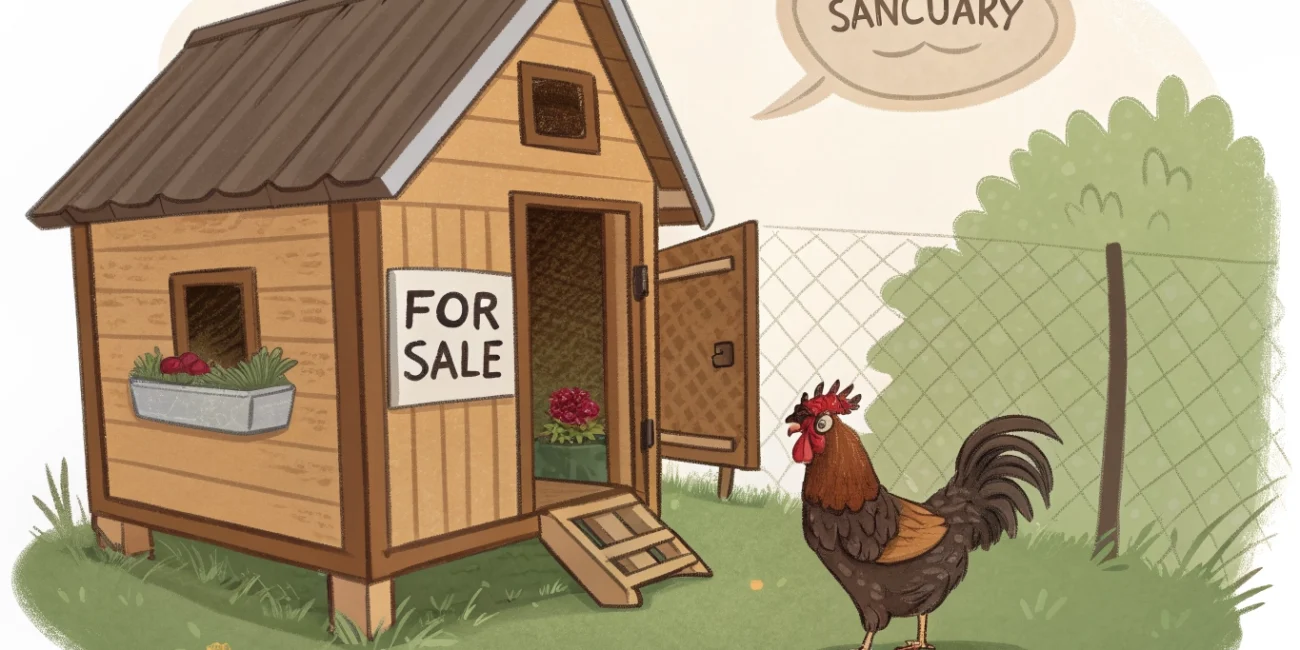
Rehoming is often the first choice for backyard flock owners. While finding a home for a rooster takes more effort than rehoming a hen, it is entirely possible with the right approach.
- Local Farm & Poultry Groups: Post clear photos and detailed descriptions on local Facebook livestock groups, farm forums, or platforms like Craigslist. Be honest about his breed, age, and temperament (e.g., “gentle with kids,” “hand-raised,” or “alert flock protector”).
- Breeders & Farm Operations: Farmers with large, free-ranging flocks or homesteaders looking to introduce new genetic lines into their breeding programs often welcome healthy young cockerels.
- Humane Rehoming Fees: Always charge a small rehoming fee ($5 to $15). This filters out non-serious inquiries and ensures the buyer is invested in taking care of the bird.
Caution on Animal Shelters: Many local humane societies and municipal animal shelters do not accept livestock or are already overwhelmed with unwanted roosters. Always call ahead before taking a bird to a shelter.
Option 2: Build a “Bachelor Pad” (Rooster Flock)
If local laws permit roosters, but you simply have too many males for your hens, consider housing your roosters together in a separate, male-only enclosure known as a bachelor pad.
- Why It Works: Without hens nearby to compete over, roosters generally get along surprisingly well! Once they establish a peaceful pecking order, they can live side-by-side without fighting.
- Setup Essentials: Build a small, secure coop and run situated away from the main hen flock so the boys aren’t constantly triggered by seeing or hearing the females.
Option 3: Contact Livestock Sanctuaries & Rescue Organizations
If rehoming through classifieds isn’t working, research local micro-sanctuaries, farm rescues, or agricultural high school programs (like 4-H or FFA chapters).
- Micro-Sanctuaries: These non-profit organizations specialize in providing permanent homes for farm animals. Keep in mind that space is often limited, so reach out as early as possible.
- 4-H / Youth Programs: Local youth agricultural clubs often accept healthy roosters for show projects, breeding demonstrations, or educational poultry care programs.
Option 4: Humane Processing for the Homestead Table
For many self-sufficient homesteaders, processing extra roosters for dual-purpose meat is a practical, respectful, and closed-loop solution to flock management.
- Dual-Purpose Value: Heritage and dual-purpose cockerels (like Rhode Island Reds or Plymouth Rocks) reach a good processing size around 16 to 24 weeks of age.
- Humane & Responsible: Harvesting your own poultry ensures the bird lived a free-range, healthy life and provides high-quality, homegrown food for your family. If you are uncomfortable doing it yourself, many local mobile processors or small poultry farms offer processing services for a small fee per bird.
What NOT to Do: Never Abandon a Rooster
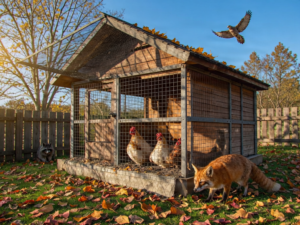
It can be tempting to feel overwhelmed, but never release a domestic rooster into the wild, a public park, or rural road.
Domesticated chickens lack the survival instincts needed to evade predators like foxes, hawks, and coyotes. Releasing a bird is illegal, humane abandonment laws apply, and it almost guarantees a cruel death for the animal.
Quick Reference Summary
| Solution | Best Used For | Key Consideration |
| Rehoming | Friendly, purebred, or quiet roosters | Takes time; charge a small rehoming fee |
| Bachelor Pad | Multiple roosters where laws allow noise | Must keep separate from sight/sound of hens |
| Farm Sanctuaries | Specialized or rescued birds | Space is limited; call well in advance |
| Homestead Processing | Dual-purpose or aggressive cockerels | Respectful, sustainable source of home-raised food |
👇 WE WANT TO HEAR FROM YOU!
Have you ever ended up with an unexpected rooster in your chick order? How did you handle finding him a new setup or job on the farm? Tell us your stories in the comments below! 💬👇