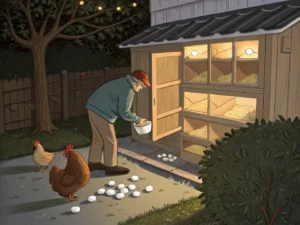
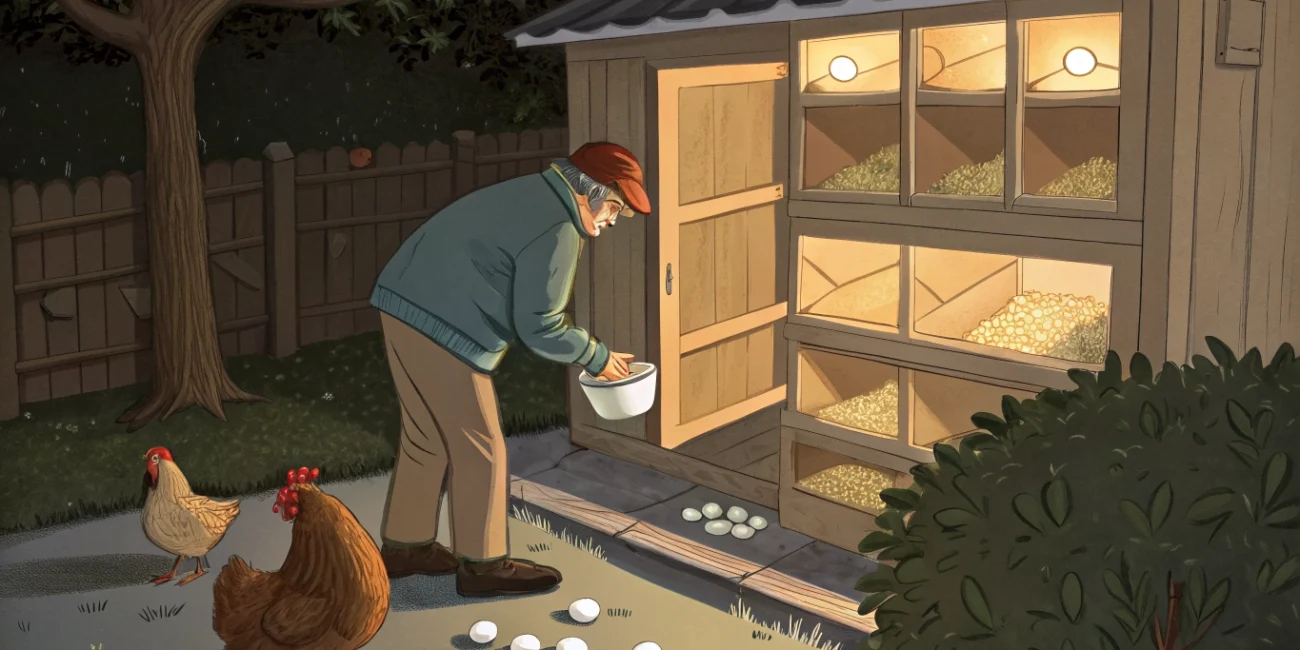
There is nothing quite like the daily routine of walking out to the coop, lifting the lid of your nesting boxes, and finding… absolutely nothing. 🥚❌
When you are working hard to maintain a clean, efficient backyard setup, an unexpected strike from your laying hens can throw a serious wrench in your kitchen counter display. You’ve got the recipes ready, but the girls simply aren’t delivering the goods.
Before you panic and assume your flock has permanently retired, it’s important to look at the facts. Egg production is tied directly to a hen’s biological resources. When a chicken stops laying, she is usually redirecting her energy somewhere else.
Let’s break down the top six reasons your nesting boxes are empty and how you can get your backyard production line back on track.
1. The Daylight Deficit (The Winter Slowdown)
Chickens require roughly 14 to 16 hours of daylight to stimulate their pineal gland, which releases the hormones needed to produce an egg. When the days shorten in late autumn and winter, egg production naturally plummets or stops altogether.
- The Fix: You can choose to let your hens have a natural, well-deserved winter rest. However, if you want to maintain a steady food supply, you can add a small, automated coop light on a timer set to turn on a few hours before sunrise to trick their internal clocks.
2. The Annual Molting Shutdown
If your coop looks like a pillow exploded inside it and your hens are looking a bit ragged, they are likely going through their annual molt. Replacing old, damaged feathers with a shiny new winter coat requires an incredible amount of protein and energy, leaving zero resources for egg manufacturing.
- The Fix: You can’t stop a molt, but you can speed it up. Up your flock’s daily protein intake by switching them temporarily to a high-protein broiler feed or batching in nutrient-dense treats like dried black soldier fly larvae or mealworms.
3. High-Stress Environments and Predators
Chickens are incredibly sensitive creatures of habit. If a local neighborhood dog is barking at the run, a raccoon is testing the latches at night, or you’ve recently introduced new birds to the flock and disrupted the pecking order, the stress will cause them to shut down egg production instantly.
- The Fix: Ensure your coop security is ironclad. If nighttime predators are keeping them awake, consider upgrading your coop defense with motion-activated lights or robust automated security features to give your hens total peace of mind.
4. Dehydration and Nutritional Imbalances
Egg production is incredibly resource-intensive—an egg is mostly water and calcium. If your flock goes without clean water for even a few hours, it can halt egg production for days. Similarly, if they are filling up on too many low-value kitchen scraps or scratch grains instead of a balanced layer feed, they won’t have the calcium required to build a shell.
- The Fix: Ensure your automated watering systems are clean, flowing, and completely frost-free. Keep high-quality layer feed as 90% of their diet, and offer crushed oyster shells in a separate, free-choice feeder so they can self-regulate their calcium needs.
5. Stealthy Egg Hiders or Nest Egg Thieves
Sometimes your chickens are laying, but you aren’t the one getting the eggs. If your hens have access to a large, free-range yard, they might have engineered a secret nest under a hidden bush or inside a cozy woodpile. Alternatively, local pests like rats, snakes, or egg-eating crows might be pulling off a daily morning heist.
- The Fix: Keep your hens confined to their secure run until late morning so they are forced to use the official nesting boxes. Check the dark corners of the coop for signs of nocturnal pests, and consider using ceramic fake eggs in the boxes to encourage proper laying habits.
6. The “Accidental” Rooster Mix-Up
If you bought a batch of “guaranteed female” sexed baby chicks a few months ago, but one particular bird is growing a suspiciously large red comb, sporting long, pointy saddle feathers, and standing around looking majestic instead of actually sitting in a nesting box… well, you might be waiting a very long time for an egg.
- The Fix: Listen closely at 5:00 AM. If your silent layer suddenly lets out a cracked, adolescent Cock-a-doodle-doo, congratulations! You don’t have a broken hen; you have a very proud rooster. While he won’t be contributing to your morning scramble, he will do an excellent job keeping the rest of your girls safe from hawks. Just double-check your local town ordinances to make sure your new alarm clock is legally allowed to stay!
Production Quick-Check
| Cause | Spot the Signs | Recovery Time |
| Molting | Dropping feathers, bare spots | 4–8 Weeks |
| Low Light | Short winter days | Instant (With supplemental light) |
| Nutritional Stress | Soft shells, empty waterers | 2–3 Days |
| The Rooster | Crowing, zero intent to lay eggs | Permanent (He’s doing his best) |
Cultivating Global Self-Sufficiency
At The Frugal Coop, we believe that optimizing our systems at home gives us the resources to look outward and drive positive change. That is why 5% of all our business commissions are donated directly to Heifer International, helping sustainable farming families build resilient, self-sufficient food systems globally. 🌍❤️
Is Your Nesting Box Full or Empty?
Diagnosing a drop in egg production is a classic part of the chicken-keeping journey. Once you learn to read the signs your flock is giving you, you can easily adjust their care routine to get those golden yolks back on the kitchen menu.
Are your hens currently on an egg strike, or did you recently discover a secret hidden nest in your backyard? Let us know your funniest coop stories in the comments below! 👇