As the ground thaws and the Missouri sun starts to stay out a little longer, every gardener’s mind turns to one thing: prep work. But before you head to the shed to grab the heavy tiller or spend a fortune on bags of fertilizer, look toward the coop.
Your backyard flock is a team of high-speed, feathered rototillers just waiting for a work assignment. Using “chicken power” to prep your garden beds is the ultimate frugal move—it saves you labor, cuts down on waste, and gives your soil a massive nutrient boost.
Here is how to put your girls to work this spring.
1. The Living Rototiller
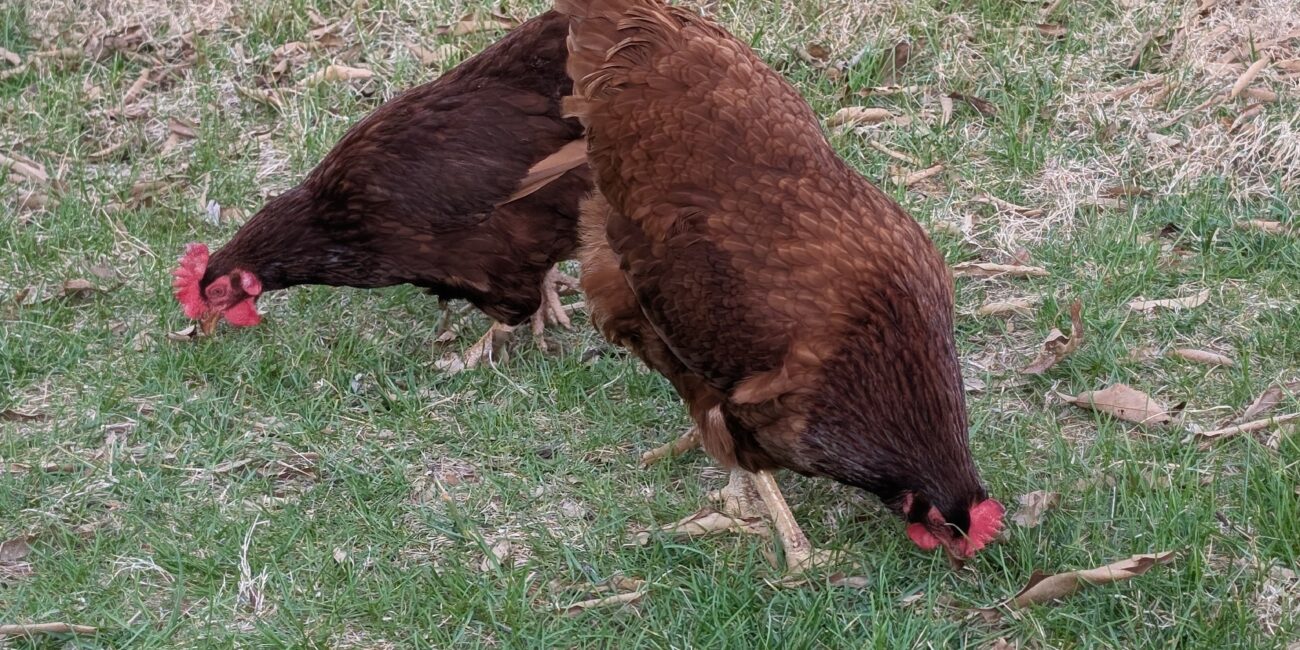
Chickens are born to scratch. When you turn them into a garden bed that has been sitting all winter, they go to work immediately.
-
The Benefit: They break up the top layer of soil, incorporate organic matter, and destroy the root systems of early-spring weeds before they can take hold.
-
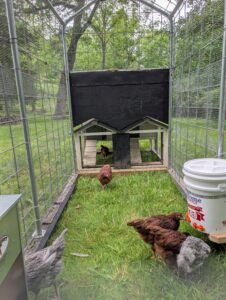
The Strategy: Use a garden tractor or mobile run to confine them to specific beds for 2–3 days at a time. This ensures they “till” the area evenly without wandering off to eat your prize perennials!
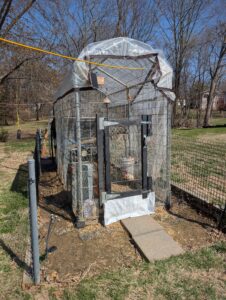
2. Natural Pest Control
While they scratch, they aren’t just looking for seeds. They are hunting for the overwintering larvae of pests like squash bugs, Japanese beetles, and grubs that are waking up in the warming soil.
-
The Frugal Win: Every bug they eat is a bug that won’t be eating your tomatoes in July—and it’s a free shot of high-quality protein for your hens!
3. The “Black Gold” Factory
Chicken manure is famously “hot” (high in nitrogen), which is why we don’t put it directly on growing plants. However, early spring is the perfect time to let the girls deposit it directly into the soil.
-
Incorporation: As they scratch, they mix their nitrogen-rich droppings directly into the earth.
-
The Timing: By the time you are ready to transplant your starts in late April or May, the manure will have had time to mellow out and begin feeding the soil microbes.
4. Clearing the “Winter Cover”
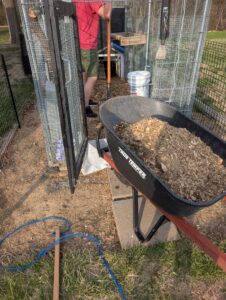
If you threw straw, leaves, or a cover crop over your beds last fall, don’t break your back raking it out.
-
The Shredders: Chickens will shred dried leaves and straw into tiny pieces in a matter of hours. This accelerated decomposition helps turn that “trash” into rich humus much faster than it would happen on its own.
5. Know When to “Evict” the Crew
As much as we love their help, chickens don’t know the difference between a weed and a freshly planted pea shoot.
-
The Deadline: Once you start direct-sowing seeds or moving your starts into the ground, the garden becomes a “No-Fly Zone.”
-
The Transition: Move the garden tractor to a new “fallow” area or back to their dedicated run to let the garden grow in peace.