This post may contain affiliate links (Affiliate Disclosure). We may earn a commission from qualifying purchases.
If you’ve ever watched your chickens staring mournfully at a frozen, brown yard in mid-winter, you know the “winter blues” are real for poultry. By January, most flocks are dreaming of the lush, green clover and grass of spring.
But what if you could bring spring inside your coop?
Enter Fodder. It’s more than just a treat; it’s a living, nutrient-dense supplement that can lower your feed bill and keep your hens thriving during the darkest months of the year.
What is Chicken Fodder?
Simply put, fodder is the result of sprouting whole grains (like barley, wheat, or oats) until they grow into a thick, 4-inch “grass mat.” Unlike dry grain, fodder is a living food packed with enzymes, chlorophyll, and highly bioavailable vitamins.
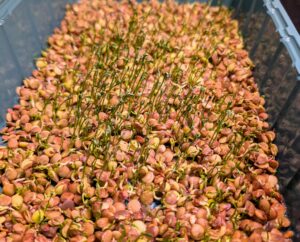
3 Reasons to Grow Fodder This Winter
1. The “Cheap Feed” Multiplier When you sprout grain, you are essentially “inflating” your feed. 1 pound of dry seed can yield up to 6–8 pounds of fresh fodder. While it doesn’t replace their primary layer pellets, it’s an incredibly frugal way to stretch your grain supply while providing better nutrition.
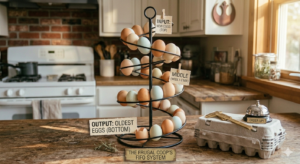
2. Better Eggs (and Happier Hens) Have you noticed your egg yolks getting pale in the winter? That’s due to a lack of beta-carotene. Fodder is loaded with chlorophyll and carotenoids, which helps bring back those rich, orange “pastured” yolks. Plus, it’s a major boredom buster. A flock with a fresh fodder mat to tear apart is a flock that isn’t pecking at each other!
3. Massive Digestibility Dry grain is only about 30% digestible for a chicken. When you sprout that grain, the process breaks down complex starches into simple sugars and unlocks minerals trapped in the seed coat. This makes the grain up to 80-90% digestible, meaning your chickens get more “bang for their buck” from every bite.
The Best Grains for Your Winter Nursery
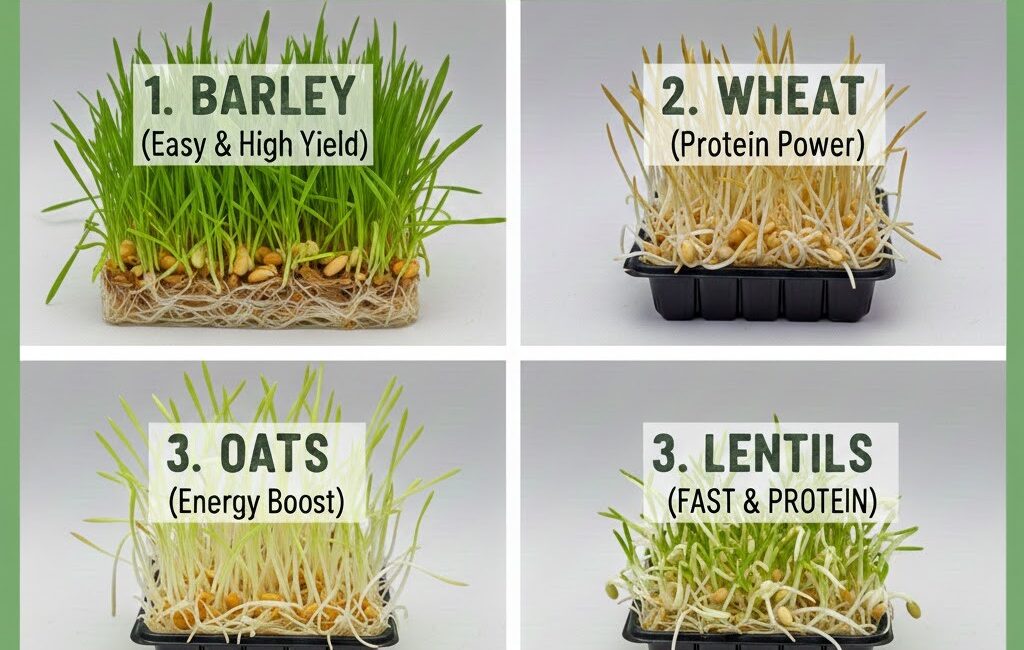
If you’re just starting out, keep it simple. These three are the “gold standard” for fodder:
-
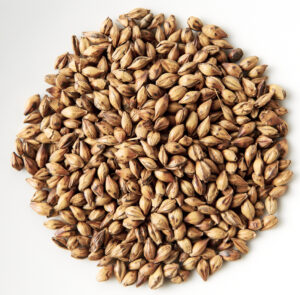
Barley: The easiest to sprout and produces the highest yield. (Must be unhulled!)
-
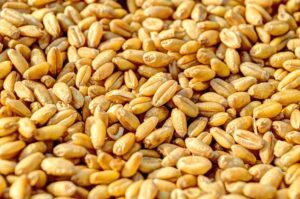
Wheat: Extremely reliable and high in protein.
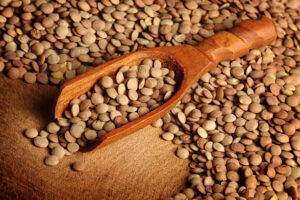
- Lentils: A powerhouse addition. They are packed with protein (around 25%) and sprout very quickly. They don’t grow into a tall “grass” like barley, but they create a dense, nutritious mat of sprouts that chickens absolutely devour.
-
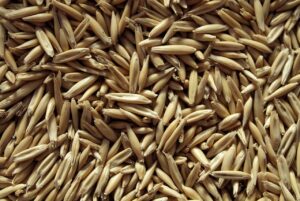
Oats: Great for energy, though they can be a bit more finicky with mold.
🛑 Watch Out for the “Mold Trap”
The biggest hurdle with winter fodder is mold. Because you’re growing in a warm, moist environment indoors, fungus can take hold quickly.
-
Pro Tip: Use trays with excellent drainage and keep the air moving with a small fan.
Coming Soon: My DIY Fodder Setup!
You don’t need a $500 hydroponic system to do this. I’ve been experimenting with a DIY grow system in my basement workshop room that costs next to nothing to run.
Keep an eye out for my post on Facebook, where I’ll be sharing a full video walkthrough of my exact setup, including the 7-day drain, rinse, and repeat!